
AI Acceleration Market

As AI models continue to grow in size and complexity, moving data efficiently has become one of the most critical challenges in system design. AI accelerators require massive bandwidth between compute, memory, and networking resources to maintain utilization and deliver performance at scale.
Baya helps AI architects overcome connectivity bottlenecks with scalable fabric architectures and software-driven design tools that optimize data movement across accelerators, memory hierarchies, and chiplet-based systems.
Enable efficient communication across increasingly large AI accelerator clusters and multi-chiplet architectures.
Reduce data movement bottlenecks between accelerators, caches, and memory resources to maximize utilization.
Support AI architectures ranging from single-package accelerator clusters to large distributed AI systems.
Advanced QoS and congestion management help maintain performance under demanding AI workloads.
Analyze and optimize accelerator interconnect architectures early using workload-driven simulation and design automation.
Native multicast and advanced QoS reduce redundant traffic and protect bandwidth for demanding AI workloads, while post-silicon route tuning helps optimize performance against real-world behavior.
Built-in QoS, congestion isolation, and physically-aware tiling deliver predictable tail latency — even under mixed workload pressure.
Built-in QoS, congestion isolation, and physically-aware tiling deliver predictable tail latency — even under mixed workload pressure.
Built-in QoS, congestion isolation, and physically-aware tiling deliver predictable tail latency — even under mixed workload pressure.
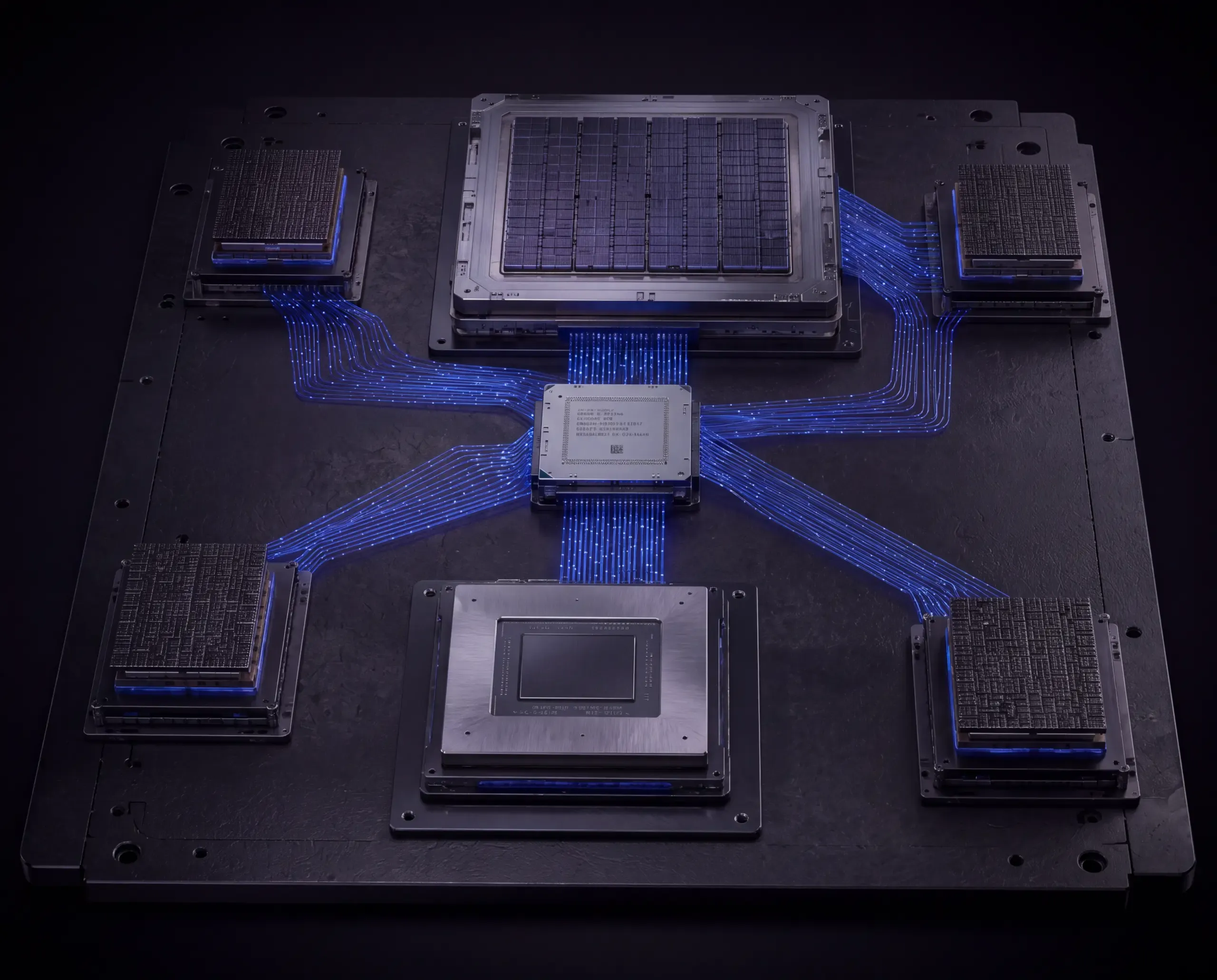
Support large-scale training workloads requiring efficient communication between accelerators, memory, and networking resources.

Deliver predictable low-latency performance for real-time AI services while maximizing system efficiency.

Enable scalable communication across heterogeneous compute resources, accelerators, and memory subsystems.

Optimize communication within accelerator pods, racks, and tightly coupled AI systems.

Support efficient communication across distributed AI clusters and next-generation AI factories.
Product Spotlight
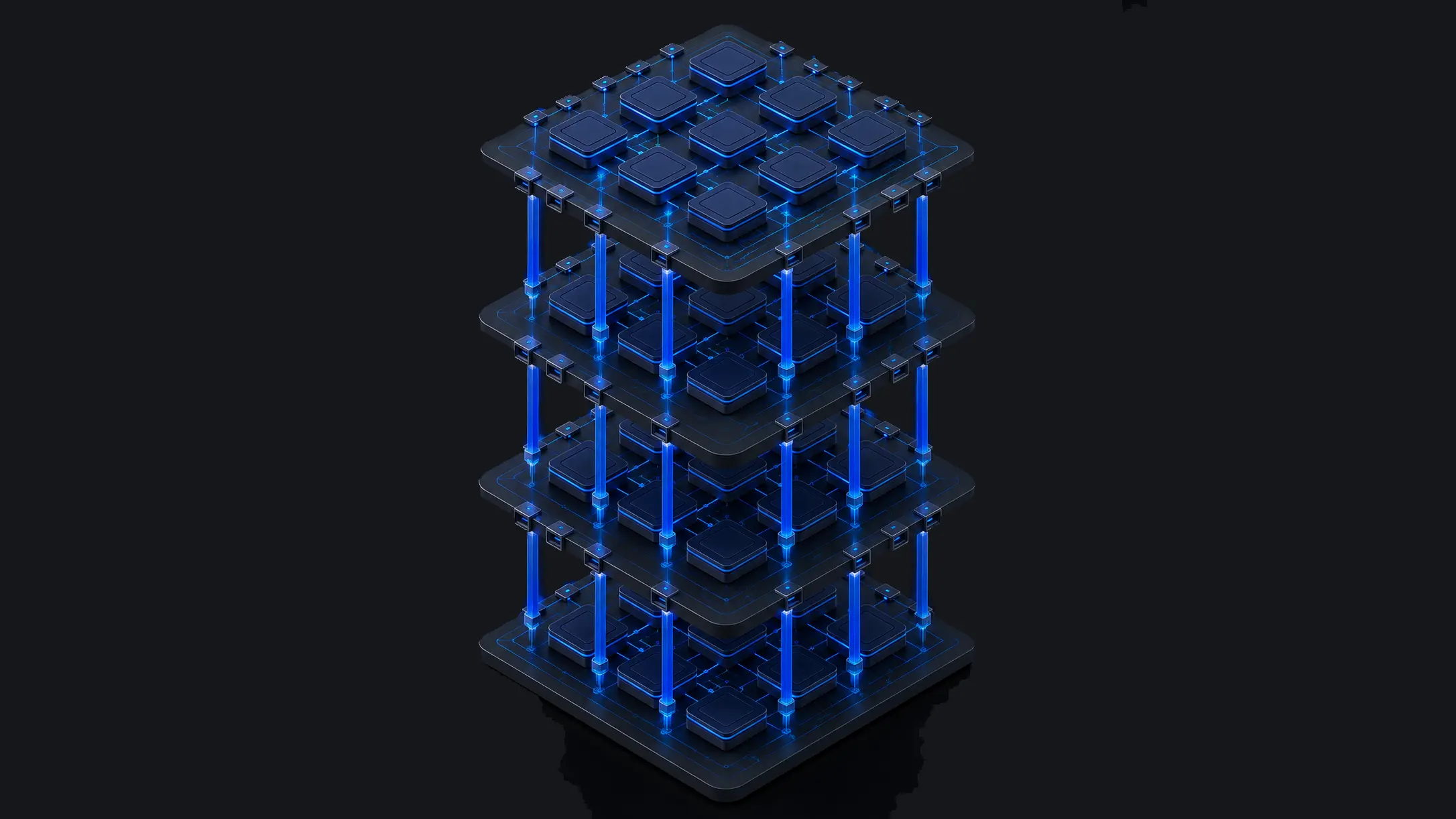
AI performance depends on more than compute alone. As accelerator counts, model sizes, and memory demands continue to grow, efficient communication becomes critical to maintaining system performance and utilization. NeuraScale is a scalable, non-blocking switch fabric that enables high-bandwidth, low-latency connectivity across AI accelerators, memory, and networking resources. Designed for the most demanding AI systems, it helps architects build efficient accelerator clusters and scalable AI infrastructure with predictable performance at scale.
From AI infrastructure to intelligent edge systems, Baya helps chip designers solve the data movement challenges behind today’s most advanced silicon.
AI-driven data centers are scaling at an unprecedented pace, demanding efficient communication between processors, accelerators, memory, and networking components. Baya delivers scalable, high-bandwidth fabrics that eliminate data movement bottlenecks and enable the next generation of AI and cloud infrastructure.

Modern infrastructure systems require flexible, reliable connectivity across diverse processing elements, memory, and I/O subsystems. Baya’s configurable fabrics provide the scalability, performance, and reliability needed for networking, communications, and high-performance infrastructure applications.

The shift toward software-defined vehicles and centralized compute architectures demands faster, more reliable communication between processors, sensors, memory, and accelerators. Baya provides scalable, efficient fabrics that enable high-performance automotive systems with the reliability and flexibility required for next-generation vehicles.

Intelligent IoT devices require efficient connectivity within increasingly complex systems while balancing performance, power, and cost. Baya enables optimized data movement for scalable IoT architectures, from advanced edge devices to connected intelligent systems.